Best Outdoor Clothing for India's Monsoon Trekking Season
Best Outdoor Clothing for India's Monsoon Trekking Season
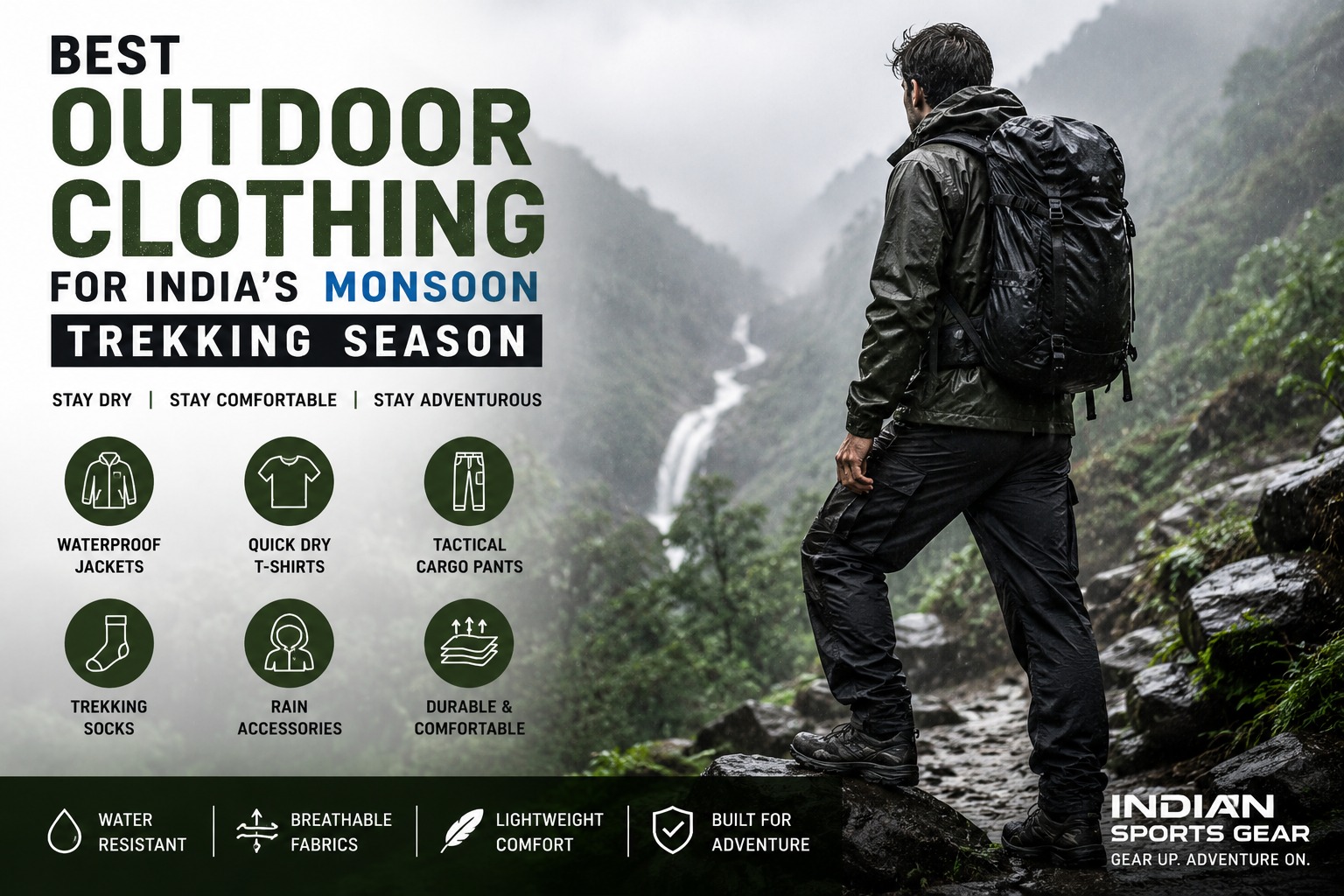
Trekking during monsoons in India is undoubtedly among the most fulfilling outdoor experiences, with waterfalls flowing at their fullest, forests lush green, and trails feeling lively and vibrant. However, knowing the proper outdoor clothing for India trekking during the monsoons is all that makes the difference between a pleasant trek and a soaking wet experience. The rain, humidity, slush, and abrupt temperature change all make your regular gym or cotton clothes unfit for your trek.
In this guide, we discuss everything you will need to know about trekking clothes in India's rainy weather, from waterproof clothes, ripstop cargo pants, quick-dry clothing, to tactical clothing India companies manufacture and sell. Whether you plan to visit Sahyadri, lower Himalayas, or simply trek the trails nearby to your city, this guide will ensure you have your essentials packed right.
We also go into the fabric science of these clothes, mistakes in packing your backpack, and a neat table for fabrics comparison that will enable you to decide faster when buying trekking clothes India stores sell.
Why Monsoon Trekking Needs Different Clothing
Trekking during July, August, and September is different from trekking in the winter and summer months. Humidity will be higher regardless of whether it is raining or not. The trails are also going to be muddy and slippery, while crossing rivers and waterfalls can quickly soak you. Regular hiking gear used by travelers in India in dry conditions is not enough for this situation, since they absorb water, take longer to dry up, and add extra weight to your backpack.
The proper monsoon trekking gear should have three key features: water resistance and fast draining, breathability so that the temperature inside the rain jacket will not go up due to sweating, and durability in terms of constant interaction with sharp rocks and bushes and washes. These are the main advantages of technical outdoor clothing India brands offer, including tactical gear lines.
What to Look for in Monsoon Trekking Clothes
Rather than just opting for something based on a brand, one must first comprehend the fabrics and designs which help in rainy conditions.
Waterproof & Quick-Dry Fabrics
Jackets and pants should have a label waterproof trekking clothes or at least water-resistant, and preferably, have a tape or sealed seams. While it may seem more practical to look for a completely waterproof fabric for layers like t-shirts and inner-wear, it is better to have a quick-dry fabric like polyester or nylon blends, as these allow sweat to evaporate without soaking in rain.
The quickest way to determine the same is using a simple technique known as the"water drop test. Water droplets on quick-dry or water-resistant fabric will bead and roll down rather than soaking in right away.
Breathability & Layering
If a jacket is waterproof yet not breathable, the result will be sweating on the inside of the jacket and getting equally wet from it than from rain. It is therefore recommended to choose a jacket with underarm vents or breathable membranes, along with a thin quick-dry base layer.
This is because the weather changes very quickly when one is on treks; an hour may pass and weather may change from warm and humid to cool and windy, depending upon your altitude.
Fit & Durability for Indian Monsoons
Monsoon hikes in India usually involve trails with overgrown plants, loose rocks, streams, etc., so having reinforced knees, ripstop weaves, and strong stitching become priorities rather than being concerned about the same things for a simple city walk. Also, having a slight extra room in clothes enables better flow of air and movement in rough conditions.
Here comes the role of ripstop cargo pants and tactical-style clothes, as the fabric is specially designed not to tear from small holes.
Best Outdoor Clothing for India's Monsoon Trekking Season: Category-Wise Picks
Here is a practical guide to the categories of clothing for outdoor treks in India during the monsoons, along with the things to look for while shopping for each.
Rain Shells & Waterproof Jackets
A packable, lightweight rain shell is the number one essential thing on this list. Make sure you pick something that has a hood, adjustable cuff, and hem that covers your hips, as this ensures no rainwater dripping down the back of your trousers. Packability is key because you will need to roll it up and stuff it in the backpack as soon as the rain starts.
Seams that are sealed or taped to prevent water from entering through stitch lines
Hood that fits with a cap and doesn't impair visibility
Zippered underarm vents to let out body heat during climbs
Ripstop Cargo Pants
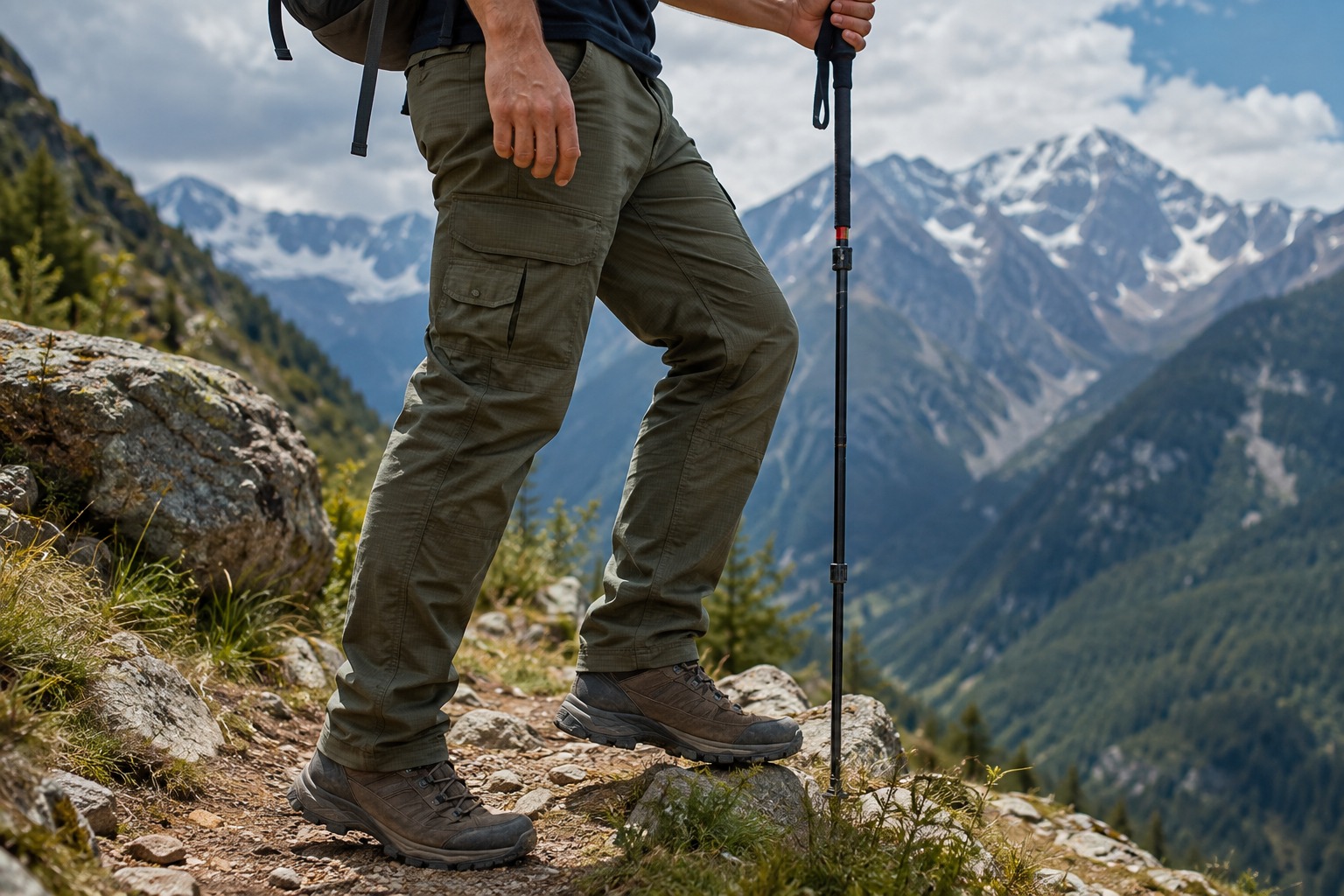
Ripstop cargo pants are must-haves for monsoon treks, as they resist tearing in thorny trails and dry much faster than jeans or regular cotton cargos. You will also find their extra pockets incredibly handy for carrying maps, energy bars, or a phone in a zip-lock pouch.
Make sure the pants have a gusseted crotch design for enhanced mobility, adjustable waist tabs due to layering, and a water-resistant or DWR coating.
Tactical Clothing for Technical Terrain
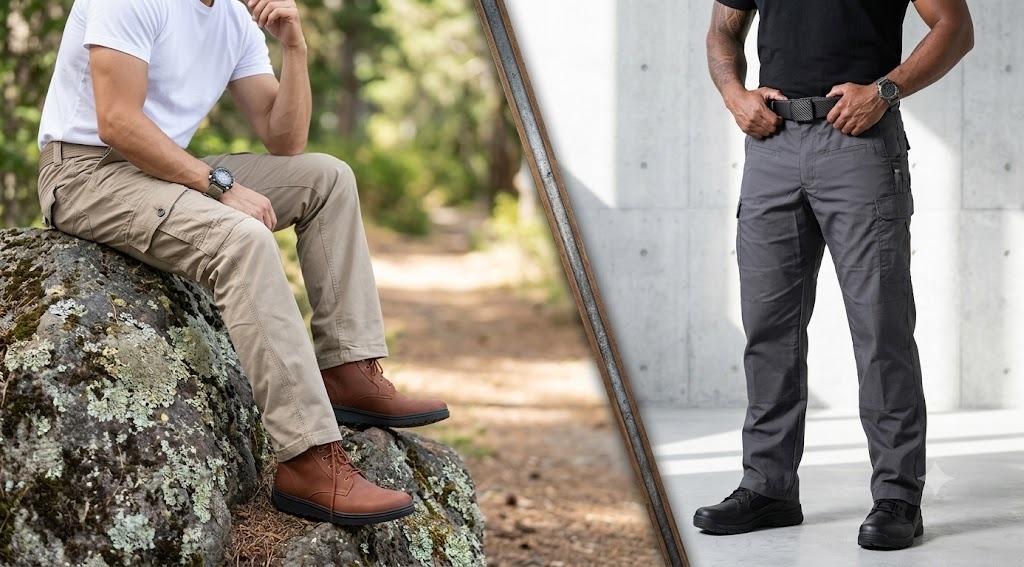
India's tactical clothing brands have become increasingly popular among the outdoor community for many reasons. The tough, abrasion-resistant fabric and reinforced seams, as well as thoughtful placement of pockets, which was originally intended for outdoor work, translate excellently in case of muddy, rocky monsoon terrain. Tactical pants and jackets usually have stretch knee and shoulder panels, which is not always the case with hiking wear.
If you are a frequent trekker and do technically challenging routes, then it might be wise to invest in one reliable tactical jacket and a pair of tactical pants, which will last you longer than cheaper options.
Quick Dry Base Layers and T-Shirts
Underneath your rain jacket, the quick-dry clothing layer will make the difference, as it will absorb your sweat and dry in less than an hour of being stationary. Never wear a cotton t-shirt for anything longer than a few hours of trekking, as it will remain wet and chilly for the whole day if it gets soaked.
Merino wool blends will be great for colder, high-altitude monsoon treks due to the fact that merino wool does not hold odors.
Footwear and Accessories
In addition to your clothing, make sure to wear grippy, fast-draining shoes, rather than waterproof boots, as flooded boots from above will take much longer to dry. Gaiters, dry sack for clothes and a rain cover for your backpack will round off your monsoon trekking gear.
Fabric Comparison: What Works Best in the Rain
If you're comparing options while shopping, this quick fabric comparison can help you decide what to prioritise for your next monsoon trek.
| Fabric | Best For | Avoid For |
| Ripstop nylon | Cargo pants, tactical wear, rocky trails | Extremely humid, non-technical walks |
| Polyester quick-dry | Base layers, t-shirts, socks | Freezing high-altitude night halts |
| Gore-Tex / laminated shells | Heavy, sustained rain and wind | Budget-conscious short day treks |
| Cotton | Casual wear before or after the trek | Any active monsoon trekking layer |
Top Tips for Monsoon Trekking in India
- Remember to have a spare set of clothes packed in a zip-lock or dry bag
- Dark colors should be preferred for the lower body garments, because mud will certainly stain the cloth
- Put anti-chafe cream on your thigh area and underarm area, as wet fabric causes more friction than dry ones
- Have an extra pair of quick dry socks handy, as wet feet are the major cause of blisters in monsoon treks
- Look out for weather updates and trail advisories before setting out, especially concerning river crossings
Common Mistakes to Avoid
There are several mistakes that people who experience the monsoon for the first time while trekking tend to make. Some individuals put a lot of trust on their umbrellas and ponchos as forms of protection against the rain and wind, but in such rugged areas, those items could prove to be fatal to you, especially if you are near a cliff edge.
The other mistake that people tend to make is carrying too much clothing made from cotton. The fact that cotton gets wet and makes you feel colder than you were before will make the effort of wearing it all useless.
Frequently Asked Questions
What would be the best outdoor clothing to go trekking in during monsoons in India?
In India, it would be advisable to combine waterproof and quick-dry clothing like a water-resistant jacket, base layers, ripstop cargo pants, and moisture-wicking socks. Together, these items will protect you from being wet, cold, and uncomfortable even in case of unexpected rains while trekking on the Western Ghats, Himalayan, or Northeast India routes.
Is cotton clothing suitable for monsoon trekking in India?
No, because it absorbs and retains water, dries slowly, and becomes very heavy and cold after getting wet, which increases the likelihood of chafing and hypothermia in high-altitude places. It is better to use other synthetic materials like nylon, polyester, ripstop, etc., which are much more appropriate for monsoon trekking.
What should I wear on my legs for monsoon trekking?
It would be wise to choose ripstop cargo pants or quick-dry pants because of their ability to resist tears, especially when trekking through the rocks and bushes. It is better not to use denims and heavy cotton pants, as they become very heavy after getting wet.
Are tactical clothing brands good for Indian trekking conditions?
Yes, tactical clothes are made to provide abrasion resistance, reinforcement, and numerous pockets. All of those characteristics are very useful when trekking through muddy, rooty, or rocky terrains, which are very common for Indian monsoon treks. Nowadays many people prefer to wear tactical style pants and jackets.
How can I keep my backpack and gear dry during monsoon trekking?
It is possible to use a rain cover on top of a backpack, to bring a dry bag and/or waterproof liner for your electronics and extra clothes, and a couple of ziplock bags for small things in order to have dry clothes when the outer layer becomes wet.
Is it easy to rent or buy monsoon trekking gear in India?
Yes, now many Indian outdoor brands like Indian Sports Gear sell special waterproof jackets, ripstop cargo pants, quick dry clothing, and other products created especially for Indian monsoon trekking conditions.
Conclusion
As a conclusion, we can say that choosing the best outdoor clothing for India's monsoon trekking season, it is necessary to focus on the ability of the fabric to deal with water, ease of movement, and durability, especially considering the fact that most Indian trails have lots of rocks. Good water-resistant jacket, durable ripstop cargo pants, quick-dry base layers, and proper footwear will make your trekking experience much better.
It does not matter whether you choose tactical clothing India brands or classic hiking clothing, it is important to find clothes which will be waterproof where it is necessary and breathable anywhere else, and strong enough to handle Indian trails. With appropriate clothing India monsoon season will become something to look forward to.
You should start by analyzing the clothing you already have, change those items which absorb and retain water and tear easily, and gradually invest in high-quality items. After several seasons, you will create a reliable monsoon clothing which will improve your trekking experience.